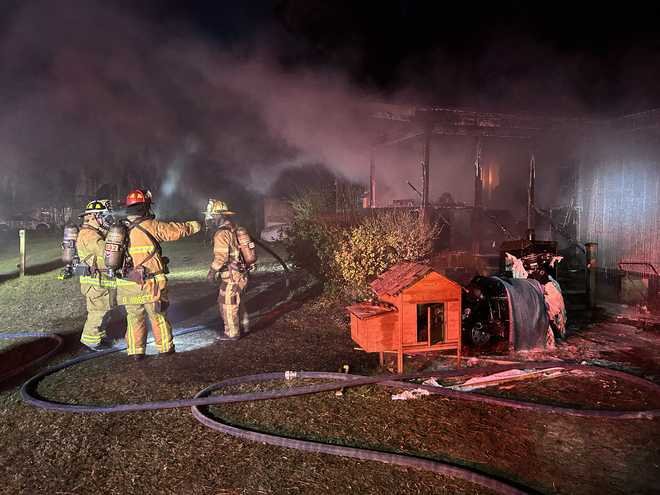

Introduction: Why Small Businesses Must Prioritize Fire Safety
Many small businesses underestimate the importance of a fire risk assessment, thinking it only applies to large companies or industrial facilities. However, fires can happen anywhere, and small businesses often have limited resources to respond to emergencies. A fire incident can not only cause severe injuries or fatalities but can also result in massive financial loss, damaged reputation, and even business closure.
A proper fire risk assessment is a proactive approach that helps small business owners identify hazards, evaluate risks, and implement preventive measures. By understanding potential threats and preparing in advance, small businesses can safeguard employees, customers, and property while ensuring compliance with fire safety regulations.
Step 1: Identifying Fire Hazards
The first step in any fire risk assessment is to identify potential hazards. In small businesses, these often include electrical faults, heating equipment, open flames, or flammable stock. Human factors, such as improper storage, smoking, or failure to follow safety procedures, also contribute significantly to risk.
For example, a small café may face fire risks from kitchen appliances, oil, and gas cylinders, whereas a small retail store may need to focus on electrical displays, stock storage, and heating systems. Each type of business has its own set of hazards, which must be carefully identified during the assessment.
Step 2: Assessing Risks to People and Property
Once hazards are identified, the next step is assessing the risk to people and property. This involves determining who is at risk, including employees, customers, contractors, and vulnerable individuals like children or the elderly. Evaluating the potential impact on property is equally important, as fire can destroy stock, equipment, and buildings.
Small business owners must consider the layout of their premises. Crowded areas, blocked exits, or poorly ventilated storage rooms can amplify the risk during a fire incident. By assessing these risks, businesses can prioritize actions to address the most pressing hazards first.
Step 3: Reviewing Existing Safety Measures
Before implementing new measures, small businesses should evaluate current fire safety provisions. This includes checking fire alarms, smoke detectors, fire extinguishers, emergency lighting, and evacuation routes. Existing procedures should be reviewed to ensure they are functional and adequate.
Staff training is also critical. Employees should know how to respond in case of a fire, operate safety equipment, and execute evacuation plans efficiently. Even in small businesses, a lack of proper training can significantly increase the risk of injury or fatalities.
Step 4: Implementing Preventive Measures
After identifying hazards and assessing risks, preventive measures must be implemented. Common steps include:
- Installing or maintaining fire alarms and smoke detectors
- Ensuring fire extinguishers are accessible and functional
- Creating clear, marked emergency exits and evacuation plans
- Conducting staff training and regular fire drills
- Properly storing flammable materials away from heat sources
In small businesses, preventive measures often need to be cost-effective yet thorough. Simple adjustments, like reorganizing stock or conducting weekly inspections, can significantly reduce fire risk.
See also: Why Should You Switch to Multi Purpose Cleaning Tablets?
Step 5: Documentation and Ongoing Review
Documenting the fire risk assessment is crucial. Detailed records help demonstrate compliance with local fire safety laws, provide guidance for future updates, and serve as evidence for insurance purposes.
Fire risk assessments are not one-time activities. They must be reviewed periodically, particularly when changes occur in the business premises, staffing, or equipment. Regular updates ensure that the assessment remains effective and that new risks are addressed promptly.
Legal and Insurance Considerations
Most jurisdictions legally require businesses, regardless of size, to conduct fire risk assessments. Failure to comply can result in fines, legal action, or closure. Additionally, insurance providers may require documented assessments for fire coverage. Non-compliance can affect claims or increase premiums.
By conducting a thorough fire risk assessment, small businesses demonstrate due diligence, reduce liability, and protect employees and customers. It also helps create a culture of safety, fostering awareness and preparedness among staff.
Conclusion
For small businesses, a fire risk assessment is an essential tool for safeguarding lives, property, and assets. It identifies potential hazards, evaluates risks, ensures compliance, and guides the implementation of preventive measures. Regular reviews, staff training, and effective documentation make fire risk management a continuous process that protects both people and the business.


 By
By