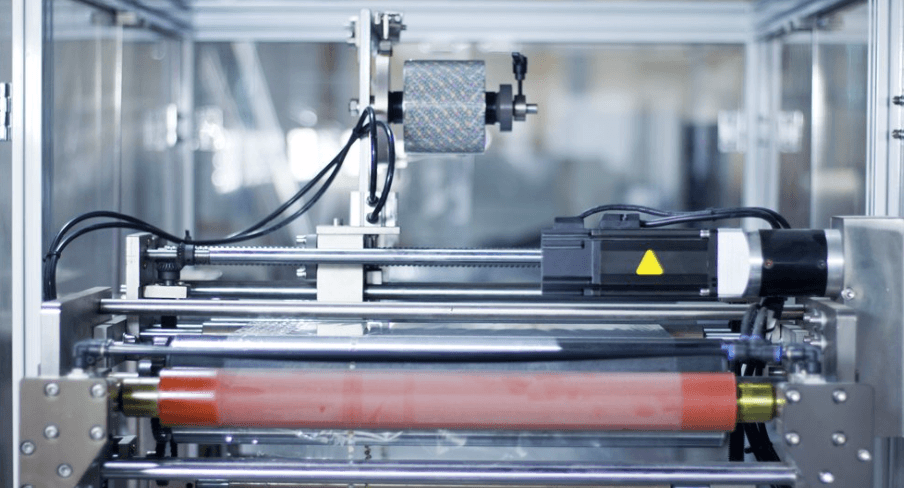

Buying packaging equipment is rarely as simple as picking a model off a page and placing an order. Every production line has its own box sizes, film preferences, and output targets, which means most manufacturers end up needing at least some level of customization before a machine is truly ready for their factory floor. Understanding what that process typically looks like can save a lot of back and forth once you actually start talking to a supplier.
Starting With the Actual Requirements
The process generally begins with a conversation about the basics: what product is being packaged, what packaging material is being used, how many units need to move through the line per hour or per day, and what the packaging will actually be used for once it leaves the factory. This sounds obvious, but it is the step that determines everything else, since a machine built for delicate cosmetic boxes needs a very different setup than one built for heavier hardware items.
A supplier’s engineering team typically uses this information to figure out which category of equipment fits best, whether that means a manual setup for lower volumes or a fully automatic system for high output lines. Skipping over this step or rushing through it tends to be where mismatched equipment purchases come from.
Designing the Actual Solution
Once the requirements are clear, the next stage is turning them into an actual machine design. This covers the physical structure of the equipment, the wrapping method that suits the product best, the speed configuration, and any additional functional modules the job requires, such as heat sealing, glue sealing, or moisture protection features. This is also where decisions get made about collating systems, which matter for anyone bundling multiple items into a single wrapped pack rather than wrapping units individually.
JOCHAMP’s cellophane overwrapping machine customization process follows this same general structure, moving from requirement discussion into a tailored design phase before anything is confirmed or built. The company documents its process publicly, which is a reasonable thing to look for when comparing suppliers, since a business that is upfront about how orders are handled tends to be easier to work with when questions come up later.
Confirming the Details Before Manufacturing Begins
Before production starts, both sides typically confirm every technical specification in writing, along with complete drawings and documentation of the machine’s configuration. This step matters more than it might seem, because it is the point where any mismatch between what was discussed and what is about to be built gets caught, rather than discovered after the equipment has already shipped. A supplier who insists on this kind of confirmation step, rather than jumping straight to manufacturing, is generally signaling that they take accuracy seriously.
See also: How UK Businesses Can Cut Costs by Switching Business Electricity Suppliers
Manufacturing, Testing, and Delivery
Once specifications are locked in, the machine moves into standardized production. After assembly, reputable manufacturers put each unit through operational testing, checking things like wrapping quality, stability during operation, and safety performance before it is cleared to ship. This testing stage is where problems get caught before they become the buyer’s problem, which is exactly where you want quality control to happen.
After inspection, the equipment is packed and shipped, and most suppliers provide installation guidance and technical support to help get the machine running smoothly once it arrives on site. This last stretch matters just as much as the design phase, since even a well built machine needs to be set up correctly to perform the way it was designed to.
Why This Process Is Worth Understanding
Knowing this sequence in advance helps a buyer ask better questions early on, rather than discovering gaps in communication after the fact. A supplier who walks through requirement discussion, design, technical confirmation, manufacturing, testing, and delivery in a structured way is generally easier to hold accountable at each stage, and that structure tends to be a strong indicator of how the relationship will go once the machine is actually running in your facility.


 By
By