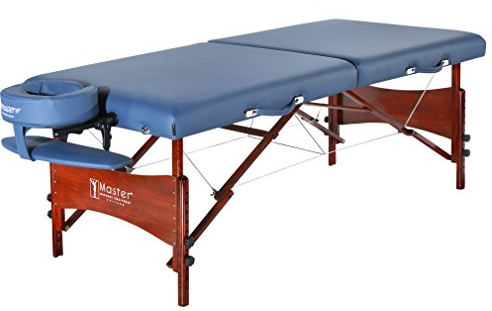

Setting up a home-based massage practice requires thoughtful planning, and the foundation of that plan starts with selecting the right equipment. massage tables designed for home use need to balance space efficiency, portability, and professional-grade comfort without the overhead costs of commercial furniture.
Understanding Your Space Before Buying
Measuring Your Treatment Area
Before purchasing any equipment, measure the room where you plan to work. Standard tables are typically 28 to 32 inches wide and 73 inches long. You also need at least three feet of clearance on each side for the therapist to move comfortably. A cramped workspace not only hampers technique but can also lead to therapist injuries over time.
Many home practitioners underestimate the floor space needed and end up struggling in tight corners. A simple floor plan sketch can save you from purchasing a table that does not fit your intended space.
- Allow three feet of clearance on all sides
- Confirm ceiling height for elevated positions
- Choose foldable tables for small rooms
- Consider weight when purchasing for upper floors
Material Choices and What They Mean for Your Clients
Foam Density and Client Comfort
The foam used in table padding varies significantly between budget and professional models. High-resilience foam retains its shape after thousands of uses, while lower-density foam compresses and becomes flat within months. For a home practice that sees regular appointments, investing in quality foam padding pays off in client comfort and equipment longevity.
Upholstery Options: Vinyl vs. Microfiber
Vinyl remains the industry standard because it cleans quickly, resists oil and lotion stains, and holds up to frequent wiping. Microfiber alternatives offer a softer touch but require more maintenance. If you use oil-based products regularly, vinyl is almost always the smarter choice for maintaining a hygienic surface between clients.
See also: Corporate Due Diligence: Ensuring Informed Business Decisions
Budget Planning for Home Practitioners
Home practitioners do not need the same volume capacity as commercial spas, which means a mid-range investment can still yield excellent results. Allocate your budget toward quality foam and durable frame construction first, then consider add-ons like bolsters, face cradle extensions, and armrests as secondary priorities.
Frequently Asked Questions
What is the ideal width for a home massage table?
A width of 30 inches is the most versatile option for home use, offering enough surface area for most body types without being too wide for small rooms.
Can a folding massage table support regular daily use?
Yes, if you choose a reinforced aluminum or hardwood frame model. Cheap folding tables with plastic hinges will not withstand daily professional use.
Do I need a face cradle for every massage style?
Face cradles are essential for Swedish and deep tissue massage in the prone position. They are less critical for Thai, reflexology, or seated massage work.
Conclusion
A well-chosen table creates the foundation for a thriving home practice. Match your purchase to your specialty, room dimensions, and client volume to get the most from your investment. Quality equipment not only serves your clients better but also protects your own body from the physical demands of daily massage therapy work. When you choose the right massage tables for your business, you are investing in every client experience that follows.


 By
By