
Although medical and cosmetic dermatologists have common objectives and treat skin conditions of their patients, there are some differences between the approaches of medical and cosmetic dermatology, as well as the final objectives they have.
It is necessary to understand the main differences in order to determine which one can offer the best treatment for your case. Should you be interested in learning more about the different kinds of dermatological services, Del Campo Dermatology & Laser Institute offers a variety of them.
Image Source: Pinterest
What is Medical Dermatology?
Medical dermatology is concerned with the diagnosis and treatment of various conditions that affect skin, hair, and nails. It deals with various disorders ranging from temporary skin conditions to long-lasting disorders that require treatment and management. Here are the most common skin problems treated via medical dermatology:
- Acne and scars from acne
- Eczema and dermatitis
- Psoriasis
- Rosacea
- Skin infection caused by bacteria and fungus
- Skin growths such as warts
- Hair loss
- Allergic skin disorders
- Suspected skin cancers and lesions
In addition to evaluating the symptoms, examining the affected part, ordering tests, and performing procedures, a dermatologist may need to prescribe treatment. Treatment may be performed with drugs prescribed by the doctor, topical creams, injections, minor surgeries, or any other medically recommended procedure.
See also: Stretch Marks Don’t Have to Be a Lifetime Companion
What is Cosmetic Dermatology?
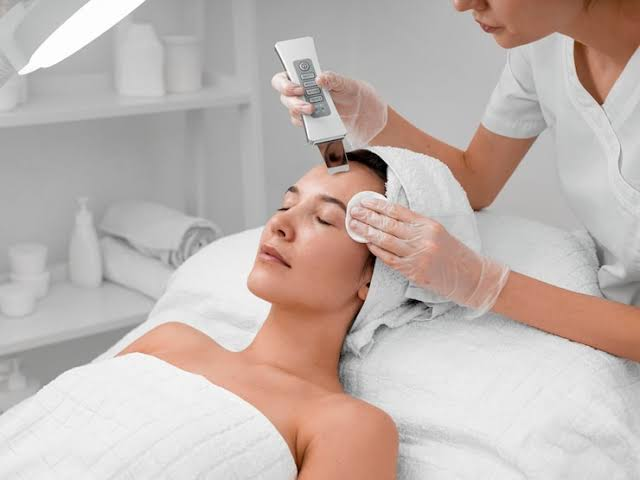
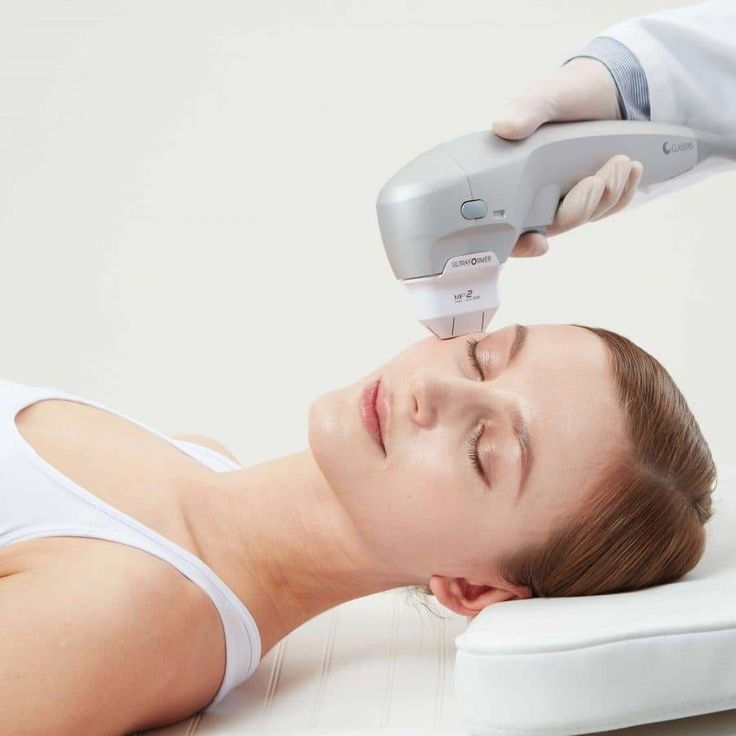
Cosmetic dermatology deals mainly with the improvement of skin, hair, or face aesthetics. In contrast to regular dermatological treatment of diseases and disorders, cosmetic treatment aims to resolve aesthetic problems such as aging, unevenness of the skin texture, or presence of unnecessary hair. Some of the methods used in cosmetic dermatology may include:
- Chemical peels
- Laser skin procedures
- Microneedling
- Injections
- Fillers
- Treatments for hyperpigmentation
- Skin resurfacing
- Hair removal procedures
These treatments could be done to enhance certain attributes and improve the visible qualities of the skin. An individual worried about their fine lines might use the injectable treatments, and another person with issues of uneven pigmentation would do well with a resurfacing treatment or a laser-based treatment.
Key Differences Between Medical and Cosmetic Dermatology
While there is some similarity in the two treatments, the major difference is that the two branches of dermatology have different intentions of treatment. The main concern in the case of medical dermatology is skin problems.
On the other hand, cosmetic dermatology concerns itself with the beauty aspect and aims at improving the looks of the skin. For example, dealing with severe acne would be under the category of medical dermatology as the acne is a skin problem that results in inflammation and scars.
While the purpose of medical dermatology is to diagnose, manage symptoms, treat and prevent diseases, cosmetic procedures aim to change physical appearance, for example, to improve the tone, texture, volume or signs of aging.
Nevertheless, there is a connection between the two. There are procedures that bring both medical and cosmetic results. For instance, treating some skin issues can make one look better, but cosmetic procedures will contribute to better skin appearance as well.
Which Type of Dermatology Should You Consult?
The choice between cosmetic or medical dermatology advice would depend on your particular issue. Should you have such symptoms as persistent acne, mysterious rashes, changes in moles, skin irritation, hair loss, etc., then it would be necessary to see a dermatologist.
In case you have such issues as wrinkles, effects of the sun, skin texture, etc., you would find cosmetic dermatology relevant to your interests. There are cases where it is not that clear-cut. It can happen that one has a skin condition and at the same time an aesthetic concern.
Take, for instance, someone who wants to get rid of active breakouts as well as scars left from them. Here comes the importance of a thorough dermatological evaluation that will tell which concerns need to be taken care of first.
Such an evaluation is particularly important since not all treatments are meant for everyone. There are different things like skin type, age, medical history, medication, previous treatments, etc., that can influence the choice of treatment.
Dermatology Consultation – What You Can Expect?
No matter whether you seek medical help or aesthetic treatment, a consultation may serve as your first step. On a visit to a dermatologist you can get your skin evaluated as well as discuss your concerns and expectations.
As for the medical problem, it may include the identification of its cause and planning of treatment. And as for the aesthetic one, the consultation will allow you to discuss your desired result and what treatments could help you achieve it.
A consultation process should always include realistic expectations. These procedures have the ability to change someone’s appearance to some extent, but it is impossible to guarantee a definite outcome because of various factors, such as the type of treatment, one’s skin condition, lifestyle, etc.
Moreover, your dermatologist can discuss how to prepare for the procedure, its recovery process, any possible side effects and whether it will require a series of treatments. Such knowledge will help you make a better choice in advance.
Choosing the Right Way to Treat Your Skin
Although medical and cosmetic dermatology have completely different goals, both of these directions can contribute to maintaining self-confidence when it comes to skin condition.
Cosmetic dermatology gives a great range of ways for those who would like to change some cosmetic issues associated with signs of aging, hyperpigmentation, skin texture, etc. Medical dermatology will help to cope with health issues connected with one’s skin.
In any case, the ideal treatment strategy would be one that is tailor-made rather than one that is dependent on a certain procedure. An experienced dermatologist will assist you in establishing what the cause is, what your options are, and whether it is necessary for you to go for a treatment procedure.
Conclusion
The key differences that distinguish medical dermatology from cosmetic dermatology lie in their purposes, whereas medical dermatologists deal with the diagnosis and treatment of skin diseases, the primary aim of cosmetic dermatologists is to improve the patient’s appearance. However, there can be some overlap between the two disciplines, especially when it comes to the patients’ interests.


 By
By