
A cloud kitchen is transforming the food and beverage industry by providing a cost-effective and efficient solution for restaurants, startups, and delivery-focused businesses. Unlike traditional restaurants, cloud kitchens operate without a dine-in space, focusing entirely on preparing food for delivery, allowing entrepreneurs to maximize efficiency and reach a wider audience.
What is a Cloud Kitchen?
A cloud kitchen, also known as a ghost kitchen or virtual kitchen, is a professional food preparation and cooking facility designed specifically for delivery services. These kitchens eliminate the need for a physical restaurant front, allowing businesses to focus on food quality, online marketing, and operational efficiency.
Key Features of Cloud Kitchens
- Delivery-Focused Operations
Cloud kitchens are optimized for online orders and third-party delivery platforms, ensuring speed and efficiency. - Shared Kitchen Facilities
Many cloud kitchens offer fully equipped spaces that multiple brands can use, reducing setup costs and overhead. - Flexible Menu Options
Businesses can easily experiment with different cuisines, menu items, and special offers without the constraints of a physical restaurant. - Technology Integration
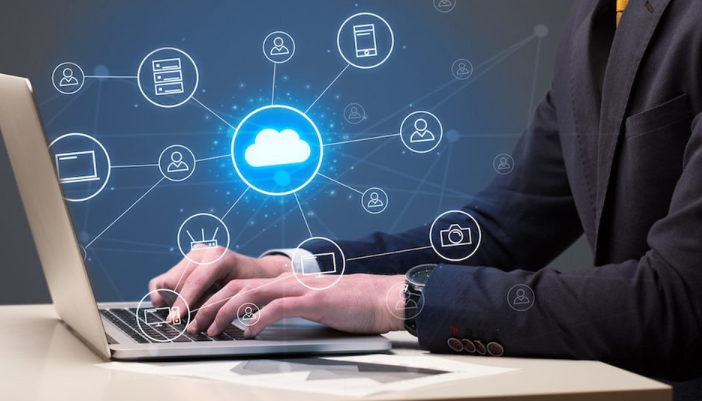
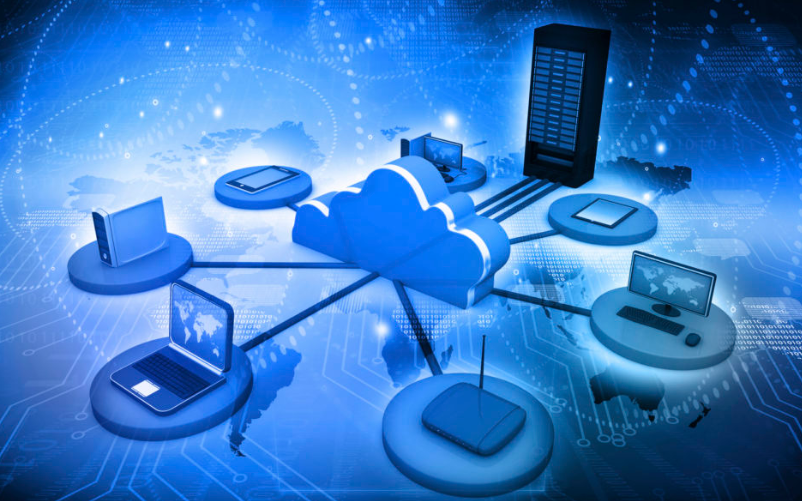
Online ordering systems, kitchen management software, and delivery tracking help streamline operations and enhance customer experience. - Cost Efficiency
By eliminating dine-in infrastructure, cloud kitchens significantly reduce rent, staffing, and utility expenses.
Benefits of Using a Cloud Kitchen
- Lower Overheads: No need for a restaurant front reduces capital and operational costs.
- Scalability: Quickly expand to new areas or introduce multiple brands under one kitchen.
- Operational Efficiency: Focus on food production and delivery without distractions from dine-in services.
- Access to Delivery Networks: Integration with food delivery apps increases reach and sales potential.
- Flexibility and Innovation: Test new menu concepts, cuisines, and branding without high risks.
How to Choose the Right Cloud Kitchen
- Location: Select a kitchen strategically located near your target delivery zones.
- Facilities and Equipment: Ensure the kitchen is fully equipped for your menu requirements.
- Support Services: Look for additional services such as staff management, marketing support, or supply chain assistance.
- Technology Integration: Confirm availability of kitchen management and delivery tracking systems.
- Pricing and Contracts: Compare rental rates, shared costs, and flexibility of lease agreements.
For entrepreneurs looking to optimize food operations, cloud kitchen services provide fully equipped kitchens, delivery-focused setups, and technology-enabled management solutions to launch and grow successful food businesses efficiently.
See also: Why Choosing the Right Furniture Shop Australia Improves Home Comfort
FAQs
1. What is the difference between a cloud kitchen and a traditional restaurant?
A cloud kitchen operates solely for food delivery without a dine-in space, while traditional restaurants cater to both dine-in and delivery customers.
2. Can multiple brands operate in the same cloud kitchen?
Yes. Many cloud kitchens are shared spaces, allowing several brands to operate in the same facility, reducing costs.
3. How does a cloud kitchen help increase delivery efficiency?
Cloud kitchens are designed for optimized food preparation, order management, and delivery integration, reducing preparation and delivery times.
Conclusion
Cloud kitchens are revolutionizing the food industry by offering cost-effective, flexible, and delivery-focused solutions. They allow entrepreneurs to scale quickly, experiment with menus, and reach a wider audience without the overheads of traditional dining spaces. Leveraging cloud kitchen services ensures operational efficiency, lower costs, and the ability to grow a successful food business in today’s competitive market.


 By
By