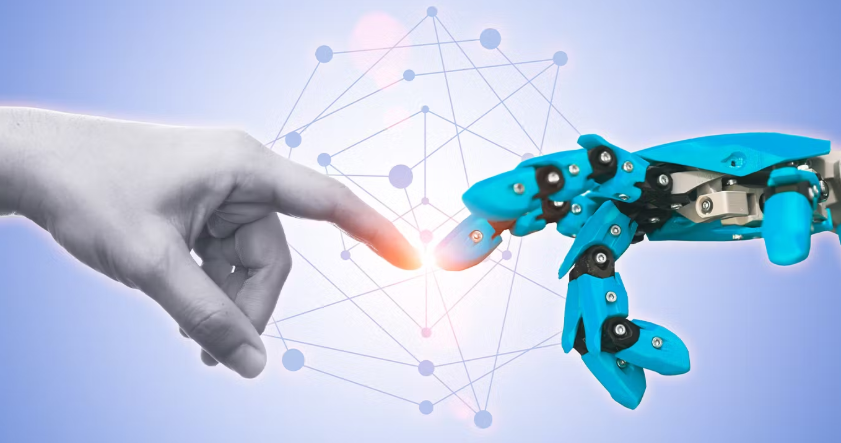

Technology support has evolved dramatically over the last several decades. What once consisted primarily of phone calls and manual troubleshooting has become a highly sophisticated environment built around digital workflows, cloud platforms, and interconnected systems. As organizations continue expanding their reliance on technology, expectations surrounding support services have changed as well. Employees and customers expect fast responses, minimal downtime, and seamless experiences regardless of where they work or what devices they use. Meeting these expectations requires more than adding additional staff or improving traditional help desk processes. The future of IT support is increasingly being shaped by artificial intelligence, automation, and predictive analytics, all of which are transforming how organizations deliver and manage services.
These technologies are changing support from a reactive function into a proactive and intelligent service model. Rather than waiting for users to report issues, organizations are gaining the ability to predict disruptions, automate repetitive tasks, and provide more personalized experiences. As a result, the role of technology teams is evolving from problem solvers to strategic enablers that help organizations improve efficiency and support business growth.
The Changing Expectations of Modern Support
Today’s users expect convenience and speed in nearly every aspect of their digital experiences. They are accustomed to personalized recommendations, instant communication, and self-service options in their personal lives, and they increasingly expect the same level of responsiveness from workplace technology services. Traditional support models that rely heavily on manual processes often struggle to keep pace with these demands.
At the same time, technology environments are becoming more complex. Organizations operate hybrid infrastructures, support remote workforces, and manage growing ecosystems of applications and devices. Cybersecurity concerns, compliance requirements, and increasing service demands place additional pressure on support teams.
These challenges are driving organizations to adopt smarter approaches that leverage data and automation. Artificial intelligence and predictive technologies provide opportunities to improve efficiency while reducing the burden on support personnel. Instead of simply reacting to incidents, organizations are beginning to anticipate needs and address problems before they disrupt operations.
This shift is changing how support teams operate. Human expertise remains essential, but intelligent technologies are becoming valuable partners that enhance decision-making and streamline service delivery.
See also: What Is Broadband Technology?
Understanding ITSM and Its Role
ITSM, or IT Service Management, refers to the collection of practices organizations use to design, deliver, manage, and continually improve technology services. While ITSM has traditionally focused on processes such as incident management, service requests, change management, and asset tracking, modern platforms are evolving to incorporate advanced technologies that improve efficiency and user experiences.
The goal of ITSM is not simply to resolve technical issues but to deliver services that align with business objectives and user expectations. Modern ITSM platforms provide centralized environments where workflows, knowledge management, automation, reporting, and analytics work together to support service delivery.
As artificial intelligence and predictive technologies mature, ITSM is becoming increasingly intelligent and proactive. Rather than acting solely as systems for managing tickets, these platforms are transforming into strategic tools that help organizations optimize operations and make data-driven decisions.
Artificial Intelligence Is Redefining Support
Artificial intelligence is becoming one of the most influential technologies shaping the future of IT support. AI-driven tools are capable of analyzing vast amounts of information, identifying patterns, and providing recommendations that help support teams work more efficiently.
Virtual assistants and chatbots have become common features within many ITSM platforms. These tools can answer common questions, guide users through troubleshooting steps, and recommend relevant knowledge articles. By resolving routine issues automatically, they reduce ticket volumes and allow support personnel to focus on more complex problems.
AI also improves incident categorization and prioritization. Instead of relying entirely on manual assessments, intelligent systems can analyze requests and assign them to the appropriate teams based on historical patterns and urgency. This capability accelerates response times and improves consistency across support operations.
Knowledge management benefits from artificial intelligence as well. AI-powered systems can suggest solutions based on ticket descriptions and identify useful articles from large repositories. This reduces search time and helps technicians resolve issues more efficiently.
As these capabilities continue to advance, artificial intelligence will become an increasingly valuable partner rather than a replacement for human expertise.
Automation Is Increasing Efficiency
Automation has already transformed many aspects of IT support, and its influence continues to expand. Repetitive tasks that once consumed significant amounts of time can now be handled automatically through predefined workflows.
Password resets, software provisioning, approval processes, and ticket routing are common examples of activities that benefit from automation. These capabilities reduce manual effort, minimize errors, and provide users with faster service experiences.
Workflow automation also improves consistency. Requests follow established procedures, ensuring that processes remain standardized across teams. Escalation rules, notifications, and service level management can operate automatically, helping organizations maintain performance standards.
Automation extends beyond support activities. Asset management, compliance checks, and routine maintenance tasks can also be streamlined, freeing IT professionals to focus on strategic initiatives. This shift enables organizations to achieve greater productivity without continually increasing staffing levels.
As low-code and no-code technologies become more accessible, automation capabilities are likely to expand further, making service management more agile and adaptable.
Predictive Analytics Is Creating Proactive Operations
Traditional support models are largely reactive. Problems are addressed after users report them, often after disruptions have already occurred. Predictive analytics is changing this approach by enabling organizations to anticipate issues before they affect operations.
By analyzing historical data and identifying patterns, predictive systems can detect early warning signs of potential failures. Performance anomalies, recurring incidents, and resource utilization trends provide valuable insights that help organizations take preventive action.
Predictive analytics supports capacity planning and resource allocation as well. Managers can forecast support demands and ensure that teams have adequate resources to handle future workloads. This improves efficiency and reduces the likelihood of service disruptions.
Security operations also benefit from predictive capabilities. Abnormal patterns and suspicious activities can be identified earlier, allowing organizations to respond more quickly to potential threats. This proactive approach strengthens resilience and reduces risk.
As machine learning technologies continue to mature, predictive analytics will become even more accurate and valuable. Organizations will increasingly shift from reacting to incidents toward preventing them altogether.
Transforming Service Delivery in the Enterprise
The combination of artificial intelligence, automation, and predictive analytics is fundamentally changing how services are delivered. Modern ITSM platforms are evolving from traditional ticketing systems into intelligent ecosystems that support proactive and personalized experiences.
Self-service capabilities are becoming more sophisticated, enabling users to resolve many issues independently. AI-driven recommendations improve knowledge access, while automation accelerates routine requests. Predictive insights help organizations address potential disruptions before users even become aware of them.
These technologies also improve decision-making. Reporting and analytics provide leaders with greater visibility into service performance and resource utilization. Data-driven insights help organizations optimize processes and align technology investments with business objectives.
Collaboration across departments becomes easier when intelligent platforms centralize information and workflows. Teams can respond more effectively to incidents, changes, and emerging challenges while maintaining service quality and accountability.
Preparing for the Future of Support
Technology support is entering a new era defined by intelligence, automation, and proactive service management. Artificial intelligence, workflow automation, and predictive analytics are reshaping expectations and enabling organizations to deliver faster, more efficient, and more personalized experiences.
Modern ITSM platforms are at the center of this transformation. By combining advanced technologies with structured service management practices, they are redefining how enterprises manage technology and support users. The focus is shifting from reactive problem-solving toward anticipating needs and preventing disruptions.
Organizations that embrace these innovations will be better positioned to improve efficiency, strengthen resilience, and support long-term growth. While human expertise will remain essential, the future of IT support will increasingly rely on intelligent technologies that enhance decision-making and create more responsive service experiences. In the modern enterprise, service delivery is no longer just about fixing problems. It is about creating value before problems even arise.


 By
By