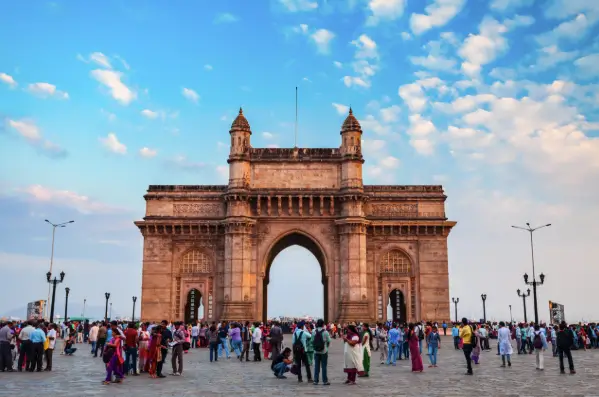

Mumbai, the bustling capital of the Indian state of Maharashtra, is a vibrant metropolis teeming with life, culture, and diversity. Known as the financial powerhouse of India, it is home to the Bombay Stock Exchange, numerous multinational corporations, and a thriving film industry affectionately dubbed Bollywood. The city’s blend of modern skyscrapers and historical architecture, such as the Gateway of India and the Chhatrapati Shivaji Maharaj Terminus, reflects its rich heritage and rapid development. Mumbai’s unique neighborhoods, from the affluent areas of South Mumbai to the crowded localities of Dharavi, offer a glimpse into the vast socio-economic spectrum that characterizes the city. The city’s culinary scene is as diverse as its population, showcasing an array of flavors that range from street food delights like vada pav to exquisite fine dining experiences.
Travel to Mumbai is made convenient by various airlines, including Cathay Pacific, which provides flight services from Manila To Mumbai This connectivity has made Mumbai an attractive destination for both business travelers and tourists alike. The city’s bustling airports, Chhatrapati Shivaji Maharaj International Airport and the domestic terminal, cater to millions of passengers each year, facilitating easy access to and from various parts of the globe. Visitors can immerse themselves in Mumbai’s lively atmosphere, explore its iconic landmarks, or relax at its stunning beaches. The city’s rich tapestry of cultures, languages, and traditions makes it a fascinating place to experience, whether one is indulging in a quiet moment at the tranquility of the Hanging Gardens or engaging in the vibrant chaos of local markets. With its dynamic energy and endless opportunities, Mumbai is truly a city that captivates the hearts of all who visit.
Chhatrapati Shivaji Terminus
Chhatrapati Shivaji Terminus (CST), formerly known as Victoria Terminus, is a historic railway station in Mumbai, India, that stands as a testament to the city’s rich colonial history and architectural grandeur. Completed in 1888, this UNESCO World Heritage Site is a remarkable example of Gothic Revival architecture, seamlessly blending Victorian influences with Indian elements. The station was named in honor of Chhatrapati Shivaji Maharaj, the founder of the Maratha Empire, reflecting the cultural significance and heritage of the region.
The intricate design of CST is highlighted by its stunning facade, featuring a series of spires, arched windows, and elaborate stone carvings. The station’s dramatic entrance and expansive waiting halls are adorned with beautiful stained glass and woodwork, showcasing the craftsmanship of the era. Designed by British architect Frederick W. Stevens, CST was built to accommodate the burgeoning rail traffic of the time and has retained its status as one of Mumbai’s busiest transport hubs, serving over three million passengers daily.
The significance of CST extends beyond its architectural beauty; it plays a vital role in Mumbai’s economy and connectivity. As a major railway junction, CST connects the city to various parts of India, facilitating trade and travel. The station is an integral part of Mumbai’s lifeline, supporting both local commuters and long-distance travelers. Its strategic location in the heart of the city makes it a focal point not only for transportation but also for the surrounding business district and cultural landmarks.
In addition to its operational importance, Chhatrapati Shivaji Terminus serves as a symbol of Mumbai’s resilience and adaptability. As the city continues to evolve, CST stands proud as a reminder of its historical roots and architectural heritage. Its combination of aesthetic charm and functional significance attracts numerous visitors, making it a cherished landmark in Mumbai’s vibrant landscape.
Colaba Causeway
Colaba Causeway, a vibrant market and bustling thoroughfare in Mumbai, is a treasure trove of shopping, dining, and cultural experiences. Whether you are a first-time visitor or a seasoned traveler, here are some valuable tips to enhance your visit to this iconic location.
First and foremost, timing your visit can make a significant difference. The best time to explore Colaba Causeway is early in the morning or late in the evening when the crowds are manageable, and the weather is relatively cooler. This will allow you to navigate the street’s many stalls and boutiques with ease. Additionally, weekdays are quieter than weekends, so if possible, plan your visit for a Thursday or Friday to avoid the throngs of weekend shoppers.
As you wander along the Causeway, be prepared to haggle. The market is renowned for its eclectic mix of souvenirs, handicrafts, and fashion items, and prices are often flexible. Don’t hesitate to negotiate, but do so respectfully. Building a friendly rapport with the vendors can sometimes yield better deals. Be sure to check out the lesser-known stalls, as they may hold unique items not found in mainstream shops.
Finally, take time to savor the local cuisine. Colaba Causeway is home to several iconic eateries and street food stalls that offer everything from spicy vada pav to delectable kebabs. Make sure to sample some local delicacies, but remember to prioritize hygiene—opt for busy stalls where locals tend to flock, as a high turnover usually means fresher food. With these tips in mind, your visit to Colaba Causeway will undoubtedly be a memorable experience filled with shopping, culture, and gastronomical delights.
See also: Why Choosing the Right Furniture Shop Australia Improves Home Comfort
Marine Drive
Marine Drive, often referred to as the “”Queen’s Necklace””, is one of Mumbai’s most iconic promenades, stretching approximately 3.6 kilometers along the Arabian Sea. Named for its unique, crescent-shaped layout, the boulevard is lined with palm trees and offers visitors breathtaking views of the coastline and the azure sea. As the sun sets, the city lights reflect on the water, creating a stunning visual that resembles a string of pearls, which is how the name “”Queen’s Necklace”” came to be. This picturesque scene makes Marine Drive a beloved spot for both locals and tourists.
The area’s architectural significance also contributes to its charm. Completed in the 1920s, Marine Drive showcases an array of Art Deco buildings, which are now recognized as a UNESCO World Heritage site. It serves as a backdrop to some of the city’s most prestigious landmarks, including the historic Chhatrapati Shivaji Maharaj Terminus and the famous Marine Plaza Hotel. The eclectic mix of modern and traditional structures reflects Mumbai’s dynamic history and diverse culture, making it an architectural feast for visitors.
Marine Drive is not just a visual delight; it is also a hub for leisure and social activities. The promenade is frequented by joggers, families, and couples who gather to enjoy leisurely strolls, sunset picnics, and street food from nearby vendors. The famous “”vada pav”” and “”bhel puri”” are just a few of the local delicacies that visitors can enjoy while soaking in the vibrant atmosphere. The area is particularly lively in the evenings, when street musicians and performers add to the sense of community.
In summary, Marine Drive stands as a quintessential representation of Mumbai, merging natural beauty with rich cultural heritage. Its stunning views, architectural marvels, and the lively urban atmosphere make it an essential destination for anyone exploring the city. Whether it’s a romantic evening walk or a family outing, Marine Drive offers an unforgettable experience for all who visit.


 By
By